Jurisdictions

Every jurisdiction has trade-offs — which ones work for your situation?

We work across Mauritius, BVI, UAE, and Seychelles, and we document the differences rather than pushing a favourite.

Compare jurisdictions

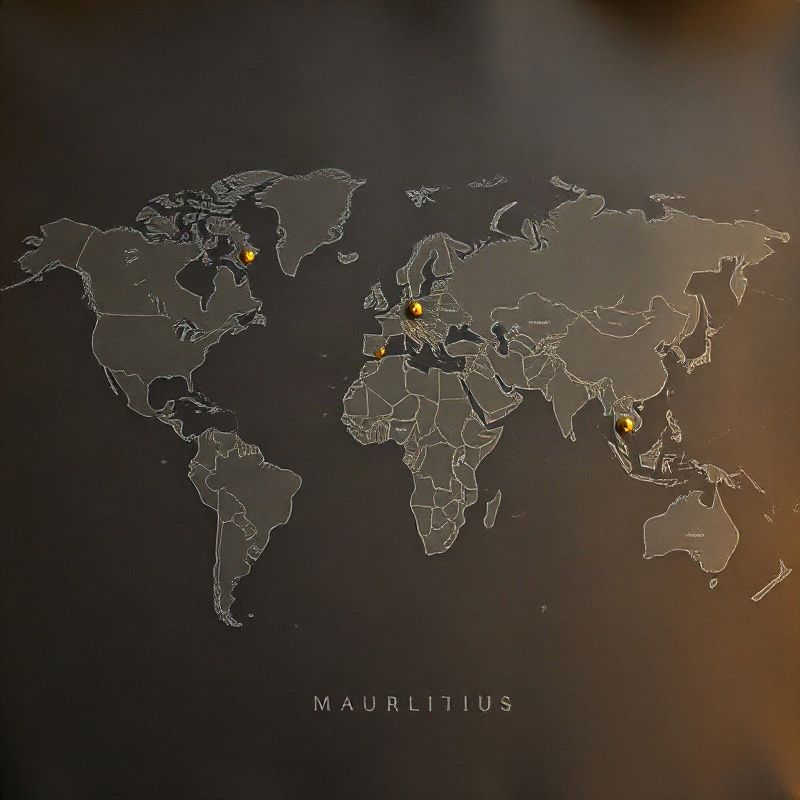
World map on charcoal paper with gold pin markers on Mauritius, BVI, UAE, and Seychelles

How to read a jurisdiction's actual suitability for your business

A jurisdiction's corporate tax rate is rarely the most important variable when you're choosing where to incorporate. What matters more: does it have a tax treaty with Kenya or your key revenue country? Do its banks accept East African-controlled entities? What are the substance requirements — do you need a physical office, resident director, or local employees? How does it score on the FATF grey list and the EU blacklist? These are the questions we answer systematically before any recommendation, and we document the answers so you can share them with your own advisors for a second opinion.

The four core jurisdictions we work with

Each profile below summarises the key variables — treaty access, substance cost, banking environment, and typical use case.

Mauritius

Mauritius holds the most relevant treaty network for African businesses, including active agreements with Kenya, South Africa, India, and France. Its Global Business Licence structures offer substance-compliant holding and investment vehicles with access to a functioning banking system. Annual compliance costs are moderate; substance requirements are meaningful but manageable with planning.

British Virgin Islands

The BVI remains the most flexible offshore jurisdiction for holding company and investment structures that don't depend on treaty access. Incorporation is fast, costs are low, and the nominee framework is well-regulated. Banking access for BVI entities from East African UBOs has narrowed since 2019, making the banking step the critical variable to assess before committing.

United Arab Emirates

UAE free-zone entities — particularly ADGM and JAFZA — offer a zero-corporate-tax environment with growing substance infrastructure. The UAE's FATF status improved significantly in 2024, which has improved banking access. It is most suitable for clients with genuine operational presence in the Gulf or clients seeking a credible holding layer for international investors.

Seychelles

Seychelles IBCs are fast and inexpensive to incorporate, with a light ongoing compliance burden. However, banking access is the most restricted of our four core jurisdictions, and Seychelles structures attract heightened due diligence from counterparties. We recommend Seychelles for specific use cases — nominee holding, IP vesting — rather than as a primary trading or banking entity.

Jurisdiction questions we hear most often

Can a Kenya-resident individual be the UBO of a Mauritius GBL company?

Yes — there is no restriction on Kenyan residents holding beneficial ownership in Mauritius entities. The GBL company will be subject to Mauritius economic substance requirements and, depending on the activities, may need a resident director and a minimum level of local management. We assess this against your specific operational profile before incorporation.

Does a BVI company need to file accounts anywhere?

BVI companies are not required to file financial statements publicly. However, they must maintain accounting records and, under the BVI's economic substance framework, companies claiming relevant activity exemptions must submit substance declarations annually to the BVI FSC. We handle this as part of our annual compliance service.

How does CRS affect a Kenyan holding a Mauritius account?

Kenya became a CRS participating jurisdiction in 2020. Financial accounts held offshore by Kenyan tax residents are reportable by the offshore financial institution to its local tax authority, which then exchanges the information with the Kenya Revenue Authority under the automatic exchange framework. Structuring around CRS rather than complying with it carries significant risk — we help clients understand and meet their obligations correctly.

Which jurisdiction fits your structure best?

Get a scored comparison of two to three jurisdictions specific to your business model — in writing, within five business days.

Request a jurisdiction comparison